Comprehensive Guide to Truffles: Types, Products, Prices, and Uses
Introduction to Truffles
Truffles are highly prized gourmet fungi known for their intense aroma and unique flavor. They grow underground in symbiotic relationships with tree roots and are primarily found in Europe, particularly Italy and France. Truffles are categorized into several types, including white, black, summer, and winter truffles, each with distinct characteristics and culinary applications.
Types of Truffles
White Truffle (Tuber magnatum)
Known as the “Alba truffle,” this variety is the most expensive and aromatic. It is harvested in Italy during autumn and early winter. Its pungent, garlicky scent makes it ideal for shaving over dishes like pasta and risotto.
Black Truffle (Tuber melanosporum)
Often called the “Perigord truffle,” this French variety is less aromatic than white truffles but has a rich, earthy flavor. It is harvested in winter and used in sauces, butters, and gourmet dishes.
Summer Truffle (Tuber aestivum)
Milder in flavor and more affordable, summer truffles are harvested from May to August. They are versatile and used in salads, eggs, and light dishes.
Winter Truffle (Tuber brumale)
Similar to black truffles but less prized, winter truffles are harvested from November to February. They have a musky aroma and are often used in cooked dishes.
Burgundy Truffle (Tuber uncinatum)
Harvested in autumn, this truffle has a nutty flavor and is popular in European cuisine. It is less expensive than black or white truffles.
Bianchetto Truffle (Tuber borchii)
A smaller, less intense version of the white truffle, bianchetto truffles are harvested in winter and early spring. They are used in sauces and oils.
Truffle Products
Frozen Truffles
Frozen truffles retain much of their flavor and are a convenient option for off-season use. They are available as whole truffles, slices, or minced.
Dried and Dehydrated Truffles
These have a longer shelf life but a milder flavor. They are often rehydrated or used in powders and seasonings.
Truffle Slices and Minced Truffle
Pre-sliced or minced truffles are ready-to-use additions to dishes like pasta, pizza, and meats.
Truffle Butter and Oil
Truffle butter is made by blending truffles into butter, while truffle oil is infused with truffle aroma. Both are popular for enhancing flavors in cooking.
Truffle Salt and Sauce
Truffle salt combines sea salt with truffle pieces, and truffle sauce is a creamy blend often used as a condiment.
Tartufata and Truffle Honey
Tartufata is a truffle-based paste with mushrooms and olives, while truffle honey offers a sweet-savory pairing for cheeses and desserts.
Truffle Carpaccio
Thinly sliced truffles preserved in oil, ideal for garnishing dishes.
Buying and Selling Truffles
Truffles can be purchased online, through wholesalers, or distributors. Prices vary widely: white truffles (Tuber magnatum) can cost €3,000–€5,000 per kg, while black truffles (Tuber melanosporum) range €800–€1,500 per kg. Summer truffles are more affordable at €200–€500 per kg. Buyers should consider freshness, origin, and storage conditions.
Truffle Hunting and Dog Training
Truffle hunting relies on trained dogs to locate the fungi. Special kits and scents are used to train dogs, though truffle oil is not safe for canine consumption.
Cooking with Truffles
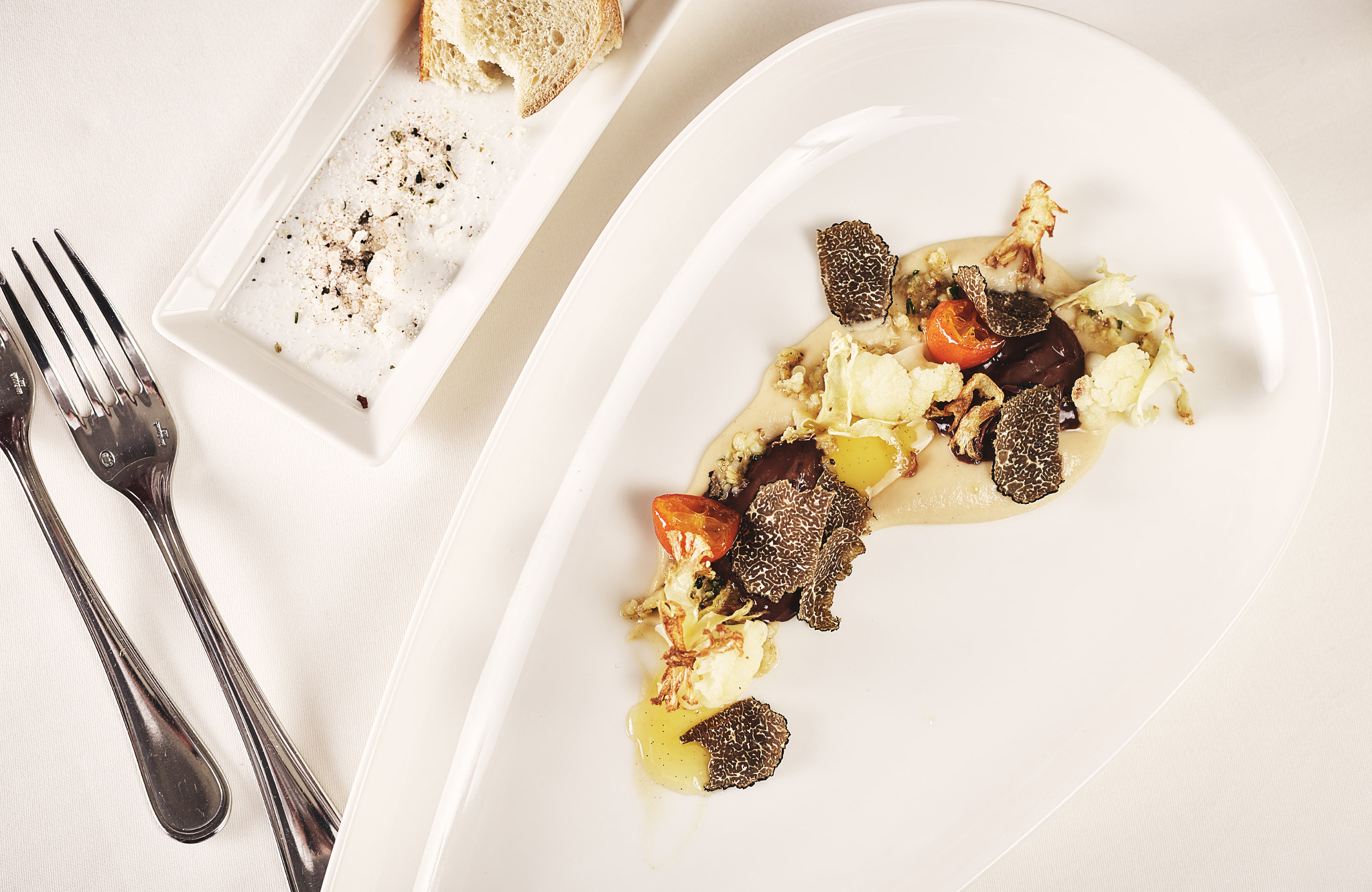
Truffles elevate dishes like pasta, risotto, and eggs. Minced black truffles can be stirred into sauces, while dried truffles are rehydrated for soups and stews. Truffle Cost Per Kilo-infused oils and butters are easy ways to incorporate their flavor.
Storage and Shelf Life
Fresh truffles last up to two weeks when stored in airtight containers with rice or paper towels. Frozen truffles can be kept for several months, while dried truffles last up to a year. Freeze-dried truffles offer extended shelf life without significant flavor loss.
Conclusion
Truffles are a luxurious ingredient with diverse varieties and applications. Whether used fresh, frozen, or in infused products, they add unparalleled depth to culinary creations. Understanding their types, market prices, and storage methods ensures the best experience for chefs and enthusiasts alike.