
The Golden Elixir: White Truffle Honey Emerges as Gourmet’s Prized Obsession
In the hushed forests of Italy’s Piedmont region, where the elusive Tuber magnatum pico—the white truffle—emerges like buried treasure, a new culinary alchemy is captivating gourmands worldwide. White truffle honey, a luxurious fusion of wildflower nectar and shavings of the “white diamond,” has transcended niche curiosity to become a symbol of gastronomic opulence. With its intoxicating aroma and complex sweetness, this amber-hued delicacy is redefining luxury condiments, one drizzle at a time.
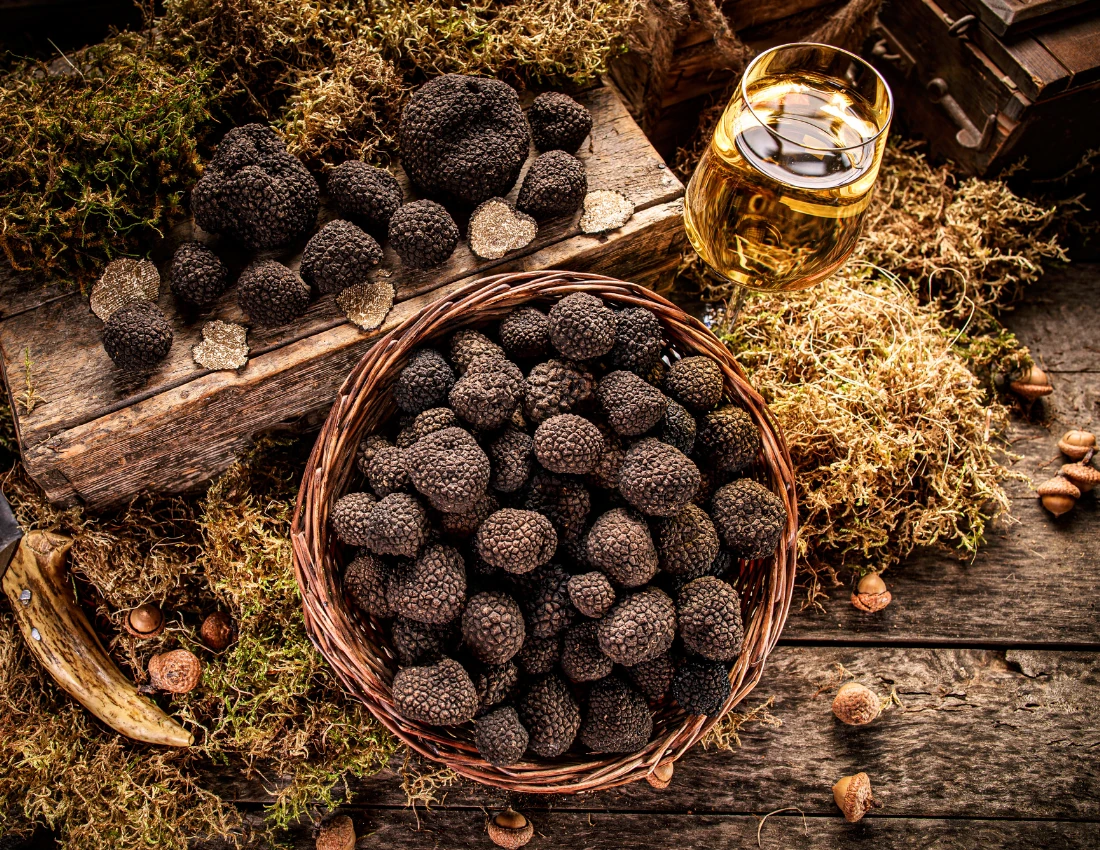
Crafted through a meticulous infusion process, artisanal producers steep premium honey—often acacia or chestnut varietals—with paper-thin slices of Fresh White Truffle white truffles for weeks. The truffles, harvested between October and December in Alba’s fog-draped oak groves, imbue the honey with their signature musk: a heady blend of garlic, earth, and damp forest floor. Unlike synthetic truffle oils, which dominate mass markets, this honey relies solely on terroir and patience. Marco Ferrero, a third-generation truffle hunter turned producer, explains: “The truffle’s enzymes interact with the honey’s natural sugars, creating volatile compounds that can’t be replicated. It’s slow food philosophy in a jar.”
Demand for this golden elixir has surged by 40% annually since 2020, according to the International Truffle Association. High-end restaurants from Copenhagen to Tokyo feature it in avant-garde dishes—think seared foie gras glazed with truffle honey, or burrata crowned with a gossamer swirl. Yet its versatility shines in simplicity: drizzled over aged Pecorino, folded into risotto, or even stirred into bourbon cocktails. At London’s Michelin-starred “Aurum,” Chef Elena Rossi praises its duality: “It bridges sweet and savory like nothing else. A teaspoon elevates humble ingredients to artistry.”

The economics, however, mirror its exclusivity. White truffles command prices up to €5,000 per kilogram due to climate-driven scarcity. Combined with raw honey from pesticide-free apiaries, a 120-gram jar retails for €80–€150. Small-batch producers like Alba’s “Miele e Tartufo” limit output to 500 jars yearly, each numbered and sealed with wax. “This isn’t a product; it’s an experience,” asserts founder Giulia Moretti. “You’re tasting a landscape.”
Critics debate its authenticity—some argue heat from infusion dulls the truffle’s potency—but scientists counter. Dr. Sofia Ricci of the University of Gastronomic Sciences notes: “Honey’s low pH acts as a preservative, locking in aromatic terpenes. Lab tests show key compounds like androstenone remain intact.”
As climate change threatens truffle habitats, and counterfeit products flood online markets, appellation protections are advancing. The EU’s “Tartufo Bianco d’Alba” certification now includes honey derivatives, ensuring traceability from soil to spoon.
For consumers, white truffle honey represents more than extravagance; it’s an edible narrative of heritage and harmony. In a world craving authenticity, this jarred sunlight offers a taste of the ephemeral—a reminder that nature’s rarest gifts are worth savoring slowly.