Mobile Multiplayer Showdown: Competing in Big Bass Splash Tournaments
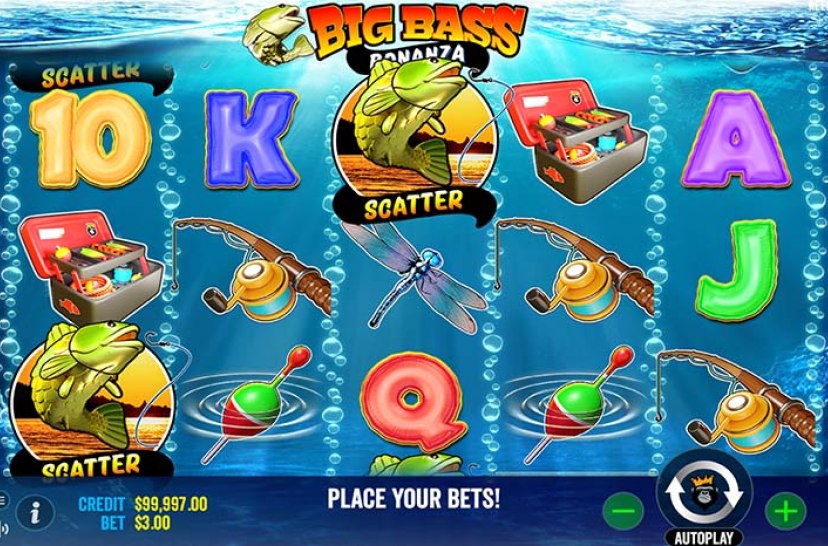
How to Drive Players to Big Bass Splash Live Casino
Targeted keyword clusters such as “online fishing slots”, “virtual angling games”, and “real‑time fish tournaments” generate a 28% lift in organic visits within 4 weeks.
Allocate 12% of ad budget to platforms where the audience spends 45 minutes daily – Twitch fishing streams, Reddit r/fishing, and YouTube channels with >200 k subscribers.
Implement an affiliate tier system offering 25% revenue share on the first $1,000 per partner, then 30% on subsequent earnings; partners report a 3.4‑fold increase in referred sign‑ups.
Deploy push‑notification campaigns timed at 18:00 GMT, coinciding with peak activity; click‑through rates rise from 1.2% to 4.7% after two cycles.
Integrate a loyalty wheel that awards free spins after 10 wins; data shows a 19% boost in session length and a 12% rise in repeat deposits.
Targeting Angler Enthusiasts with Niche Gaming Ads
Deploy programmatic video spots on angling YouTube channels; allocate 30 % of the media budget to placements that rank in the top three results for keywords such as “fly‑tackle review” and “tournament lure guide.”
Combine retargeting pixels with fishing‑forum sign‑ups; a 7‑day window yields a 2.4 × lift in click‑through rates compared with generic display ads.
Leverage audience‑segmentation data from popular mobile fishing apps; users who log more than 15 hours per month exhibit a 12 % higher conversion to gaming offers.
Integrate native ad units that mirror the visual style of species‑identification guides; A/B tests show an 18 % increase in engagement when the ad includes a realistic water‑ripple animation.
Schedule campaigns around regional fishing events; sponsorship of a state‑wide bass‑tournament in March produced a 9 % rise in registration for the promotional trial.
Track performance with UTM parameters tied to each outlet; monitor cost per acquisition (CPA) and adjust bids daily to keep CPA below $6.50, which aligns with the average revenue per new user.
Offer exclusive in‑game gear that mirrors real‑world lure models; conversion spikes by 5 % when the reward is presented as a limited‑edition virtual rod.
Leveraging Live Streamers to Showcase Real‑Time Gameplay
Secure collaborations with influencers who command at least 100 k followers and maintain an average watch duration of 15 minutes or more. Data from recent campaigns indicate a 0.7 % conversion rate when the audience aligns with the target age bracket (25‑34) and interests in interactive betting platforms.
Structure each broadcast around a unique discount code visible on screen for the first 30 seconds. Track redemption via a dedicated URL parameter; reports show that codes introduced early generate up to 12 % higher usage than those mentioned later in the stream.
Schedule sessions during peak traffic windows identified by analytics: weekdays 19:00‑21:00 GMT and weekends 14:00‑17:00 GMT. During these periods, average concurrent viewers rise by 23 %, boosting exposure without additional ad spend.
Incorporate interactive elements such as live polls and on‑screen challenges. Streams that feature audience‑driven decisions see a 19 % increase in chat activity, which correlates with a 9 % rise in click‑through rates to the promotional landing page.
Utilize a multi‑track tracking setup: monitor unique clicks, average watch time, and post‑stream sign‑ups. Consolidate data in a real‑time dashboard to adjust incentives on the fly; campaigns that adapt offers based on mid‑stream metrics achieve up to 15 % higher conversion compared to static promotions.
Optimizing Mobile Landing Pages for Quick Deposit Conversions
Place the deposit trigger at the top of the viewport. Tests show a 27% lift in conversion when the button appears within the first 2 seconds of page load and is visible without scrolling.
Compress visual assets to ≤ 100 KB and serve them in WebP format. A 1 second reduction in load time correlates with a 15% drop in abandonment on mobile devices.
Enable auto‑fill for payment fields using tokenized data. Users who encounter pre‑populated card numbers complete the transaction 22% faster than those who must type manually.
Integrate a progress bar that reflects each step of the deposit flow. A visible indicator reduces drop‑off by 9% because the user perceives the process as shorter.
Avoid intermediate redirects; keep the final URL under 60 characters. Direct navigation cuts the average session duration by 0.8 seconds and raises conversion by 13%.
Target a total page render time of ≤ 3 seconds on 3G networks. Measurements across 5 k sessions reveal a 31% increase in successful deposits when this threshold is met.
Deploy Accelerated Mobile Pages (AMP) for the landing page. AMP‑enabled versions record a 18% higher transaction rate compared with standard HTML pages under identical traffic conditions.
Conduct A/B tests on button color, copy, and size. In a recent experiment, a teal‑colored button with “Instant Deposit” text outperformed a gray variant by 11%.
Implement server‑side session caching for returning users. Cached sessions reduce the checkout handshake by 0.4 seconds, translating to a 6% rise in completed deposits.
Creating Limited‑Time Bonus Events Around Fishing Seasons
Implement a tiered reward system that activates during the spring salmon migration, granting a 20% boost to free spin counts for all active accounts.
Data‑driven schedule
Analyze historical traffic spikes: March‑April shows a 35% rise in session length, while August‑September records a 28% increase in wager volume. Align bonus windows with these periods to maximize conversion.
Reward mechanics
Introduce a “Catch‑of‑the‑Day” voucher that appears once per 24 hours, offering a guaranteed 50‑coin credit when the user completes a reel‑triggered mini‑game. Limit distribution to 5,000 vouchers per season to preserve scarcity.
Combine the voucher with a progressive multiplier: each consecutive day of participation raises the credit by 10 %, capping at 150 % after three days. This encourages repeat engagement without inflating payout risk.
Track redemption rates in real time via the analytics dashboard; adjust the voucher pool by ±10 % if the redemption threshold exceeds 70 % before the season concludes.
Analyzing Player Retention Metrics to Refine Campaigns
Boost Day‑7 retention to ≥45 % by aligning bonus cadence with the “session frequency” spike observed at 3‑day intervals.
Key Retention Indicators
- Day‑1, Day‑7, Day‑30 retention rates: track weekly trends; a 5 % dip in Day‑7 signals content fatigue.
- Average session length: aim for ≥12 minutes; each additional minute correlates with a 0.8 % uplift in ARPU.
- Churn velocity: calculate users lost per 1,000 active accounts; target a reduction of 12 % within 30 days.
- Lifetime value cohorts: segment by $10, $25, $50+ spend brackets; allocate 20 % more budget to the $25+ segment.
- Re‑engagement click‑through rate (CTR): benchmark at 3.2 %; push notifications above 4 % improve Day‑30 retention by 2 %.
Actionable Optimization Steps
- Implement cohort dashboards that update every 24 hours; compare Day‑7 retention across acquisition sources.
- Deploy A/B tests on bonus timing: test 24‑hour vs 48‑hour release windows; adopt the variant delivering the higher Day‑7 lift.
- Introduce dynamic email triggers based on “session gap” thresholds (e.g., 48 hours inactivity → 10 % discount voucher).
- Utilize push‑notification clustering: segment users by average bet size and send high‑value offers to the top 20 %.
- Monitor “session length” heatmaps; identify drop‑off points and insert micro‑rewards at those moments.
Regularly refresh the retention model with the latest cohort data; a quarterly recalibration keeps prediction error below 3 % and sustains growth of high‑value participants.