
Where to Find Historic American Flags
Content
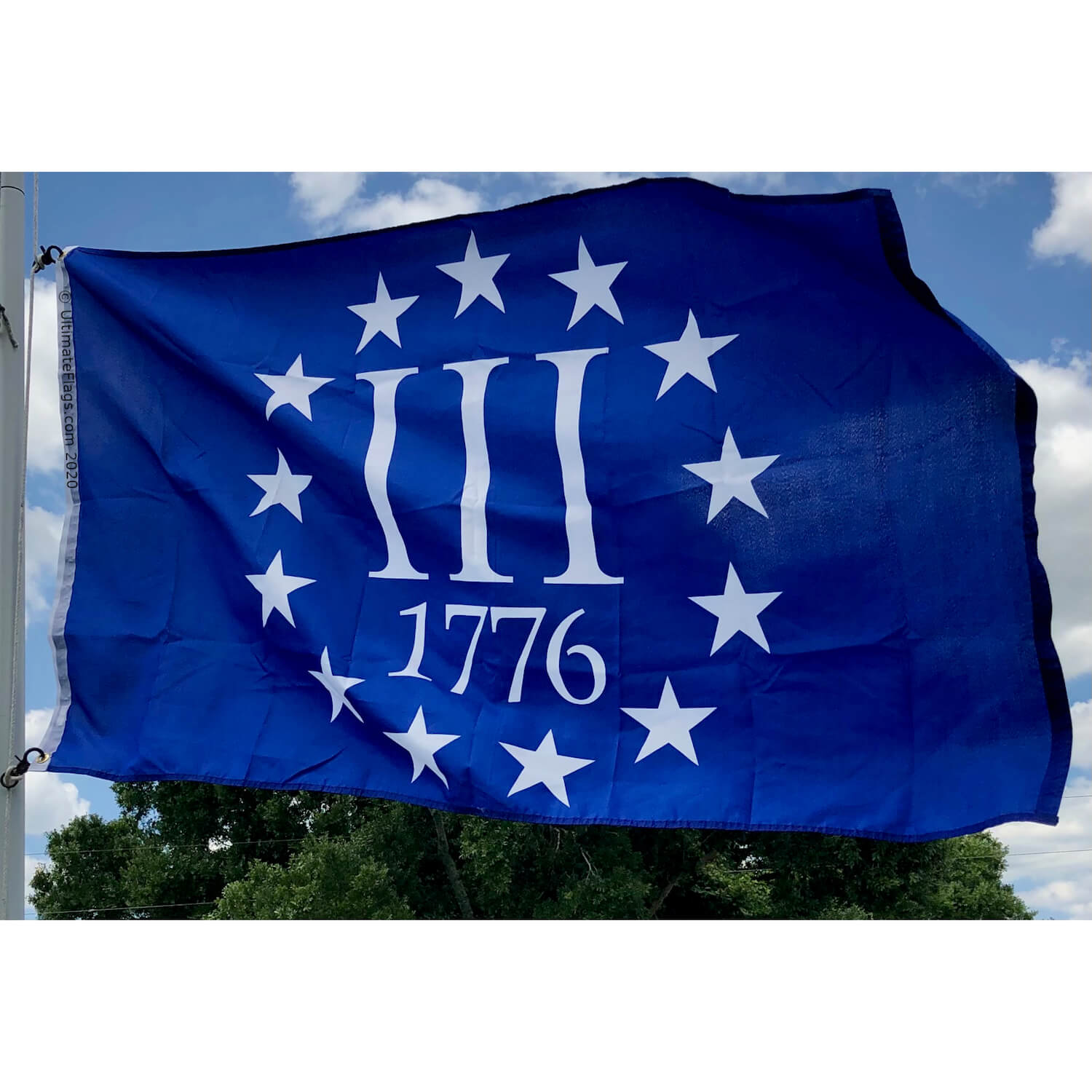
However, an example of mullets representing territorial divisions predating the U.S. flag is the Valais 1618 coat of arms, where seven mullets stood for seven districts. The current flag of the United States is the twenty-seventh version of the national flag. When the Thirteen Colonies were seceding from the British, there became a necessity for a flag to symbolize the patriot cause and rally individuals for the Revolution. Every U.S. astronaut since the crew of Gemini 4 has worn the flag on the left shoulder of their space suits, except for the crew of Apollo 1, whose flags were worn on the right shoulder. On a recent trip to Washington DC, we had the opportunity to visit the US Marine Corps War Memorial statue, commonly referred to as the Iwo Jima Memorial. This memorial is based on the photograph that was taken by Joe Rosenthal after the battle in the Japanese Volcano Islands which is recognized as the conclusion of the American campaign in the Pacific during World War II.
- Nevertheless, Mercury, Gemini, and Apollo were launched and landed vertically instead of horizontally as the Space Shuttle did on its landing approach, so the streaming convention was not followed.
- Show your pride in battlefield preservation by shopping in our store.
- The flag has been displayed on every U.S. spacecraft designed for crewed flight starting from John Glenn’s Friendship 7 flight in 1962, including Mercury, Gemini, Apollo Command/Service Module, Apollo Lunar Module, and the Space Shuttle.[129] The flag also appeared on the S-IC first stage of the Saturn V launch vehicle used for Apollo.
- The Continental Marines used the Gadsden Flag during the early years of the war and the flag still flies today as a sign of American patriotism.
- On May 25, 1780, he requested a quarter cask of wine in payment for his help in designing the national flag and aiding in designing the Great Seal for the United States.
- So we visited the home of Betsy Ross and spent time learning about her contribution to the history of America.
- Capitol for sale to the public through Representatives or Senators are provided in these sizes.[99] Flags that are made to the prescribed 1.9 ratio are often referred to as “G-spec” (for “government specification”) flags.
- The three men, amazed at how quickly she could cut the five-pointed stars, assigned her with the task of sewing the flag.
and 50-star unions
During this time, other flags were flown to show support for Independence. This flag depicts a rattlesnake with the click here to browse flag styles phrase “DONT TREAD ON ME” in a field of yellow. The Continental Marines used the Gadsden Flag during the early years of the war and the flag still flies today as a sign of American patriotism. Other organizations that wear flag patches on their uniforms can have the flag facing in either direction. The flag has been displayed on every U.S. spacecraft designed for crewed flight starting from John Glenn’s Friendship 7 flight in 1962, including Mercury, Gemini, Apollo Command/Service Module, Apollo Lunar Module, and the Space Shuttle.[129] The flag also appeared on the S-IC first stage of the Saturn V launch vehicle used for Apollo.
Modern day
In this resolution, two new stars and two more stripes were added to the design, which symbolized the addition of Vermont and Kentucky into the Union. This flag remained in use even when five more states were added to the Union. In 1818, the third Flag Act discover flags inspired by US history was signed that started the precedent of adding another star to the flag after each state’s entrance into the Union. In addition, this act reduced the number of stripes from fifteen to thirteen.

Flying a U.S. flag upside down
Nevertheless, Mercury, Gemini, and Apollo were launched and landed vertically instead of horizontally as the Space Shuttle did on its landing approach, so the streaming convention was not followed. These flags were oriented with the stripes running horizontally, perpendicular to the direction of flight. When we visited Charleston, South Carolina back in January, we knew that one of the places we had to tour was Fort Sumter, where the Civil War started. On display in the museum inside the Fort is The Fort Sumter Flag. The Fort Sumter Flag’s design is quite distinct with 33 white stars arranged in a unique diamond pattern.

Colors
These colors are “Old Glory Red” PMS 193C and “Old Glory Blue” PMS 281C. When converted to RGB, the colors are “Old Glory Red” #BF0A30,[107] “Old Glory Blue” #00205B,[108] and #FFFFFF for white. Both the stripes (barry) and the stars (mullets) have precedents in classical heraldry.
It depicts a white crescent moon with the word “LIBERTY” inscribed within it on a field of navy blue. It was browse patriotic flags collection flown during the American victory at the Battle of Sullivan’s Island in June 1776. The flag did not appear on U.S. postal stamp issues until the Battle of White Plains Issue was released in 1926, depicting the flag with a circle of 13 stars. The 48-star flag first appeared on the General Casimir Pulaski issue of 1931, though in a small monochrome depiction. The first U.S. postage stamp to feature the flag as the sole subject was issued July 4, 1957, Scott catalog number 1094.[134] Since then, the flag has frequently appeared on U.S. stamps. Several government websites have given Pantone (PMS) equivalents for the flag colors.