
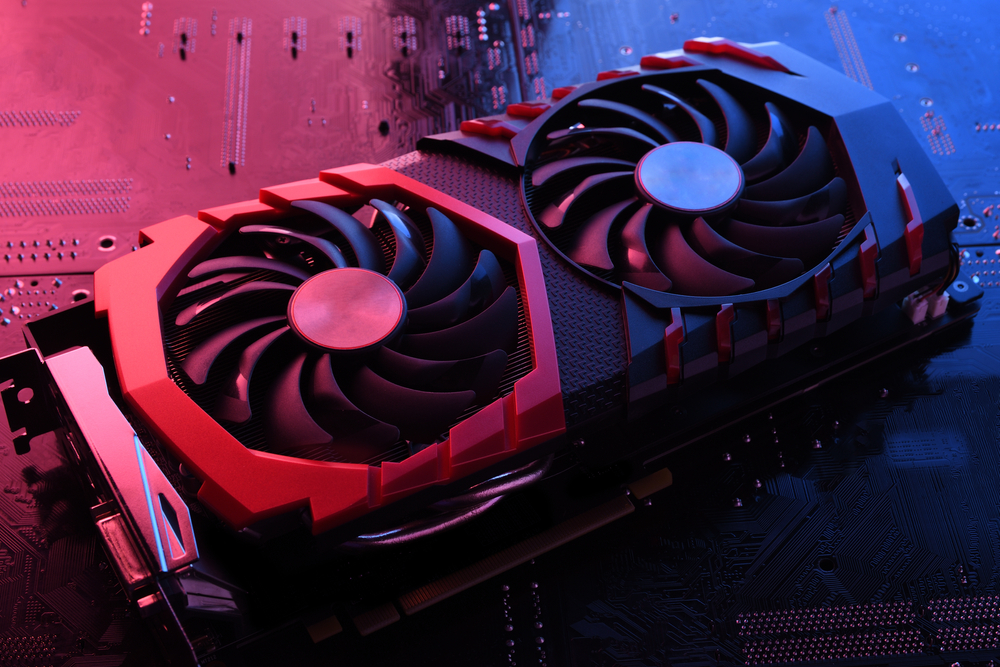
Computer Video Graphics Card: Powering Visual Performance
In today’s digital era, visual performance defines the quality of computing experiences across industries. From professional design studios and data centers to gaming rigs and business workstations, the Computer video Graphics Card plays a central role in delivering speed, clarity, and processing efficiency. As a core component of modern IT Hardware, the graphics card transforms raw data into visually rich content, enabling everything from high-resolution displays to advanced simulations and video rendering.
Within the broader category of Computer Hardware, graphics cards are no longer limited to simple display output. They now act as powerful parallel processors capable of accelerating artificial intelligence workloads, complex 3D modeling, and multimedia production. Understanding how a Computer video Graphics Card works and why it matters can help organizations and individuals make better purchasing and deployment decisions.
Understanding the Role of a Computer Video Graphics Card
A Computer video Graphics Card, commonly known as a GPU or video card, is responsible for rendering images, animations, and video signals to your monitor or display device. It processes graphical data much faster than a standard CPU by using hundreds or thousands of small cores optimized for parallel computing.
In the context of IT Hardware, graphics cards are essential for applications that require high-speed visual computation. These include gaming, video editing, CAD design, machine learning, and even cloud computing environments. As part of the overall Computer Hardware ecosystem, the GPU works alongside the motherboard, processor, memory, and storage to ensure seamless system performance.
Modern Computer video Graphics Card solutions include dedicated onboard memory known as VRAM, which stores textures, frame buffers, and rendering data. This allows faster access compared to system memory and significantly improves performance when handling large files or high-resolution content.
Evolution of Graphics Cards in IT Hardware
Graphics cards have evolved dramatically over the past few decades. Early systems relied on basic display adapters that could only render simple text and low-resolution images. As multimedia applications expanded, the need for more powerful visual processing became evident, pushing manufacturers to develop dedicated graphics processors.
Today’s Computer video Graphics Card technology integrates advanced architectures, ray tracing capabilities, AI acceleration, and ultra-fast memory interfaces. These innovations have reshaped the IT Hardware industry, enabling immersive gaming experiences, real-time rendering, and efficient data visualization.
Within modern Computer Hardware environments, graphics cards also support multi-display setups, 4K and 8K resolutions, and high refresh rates. This evolution reflects the increasing demand for visual fidelity and performance in both consumer and enterprise computing.
Key Components of a Computer Video Graphics Card
A Computer video Graphics Card consists of several critical components that work together to deliver high performance. The graphics processing unit (GPU) is the main processor responsible for executing graphical calculations. VRAM stores image data temporarily to ensure smooth rendering and fast access.
Cooling systems, such as fans or liquid cooling solutions, regulate temperature and maintain stable operation during intensive workloads. Power connectors supply the required electrical energy, while output ports connect the card to monitors and display devices.
In the broader scope of Computer Hardware, these components must remain compatible with the motherboard, power supply, and system enclosure. Selecting a graphics card that aligns with your existing IT Hardware infrastructure ensures optimal reliability and longevity.
Types of Computer Video Graphics Cards
There are several types of Computer video Graphics Card solutions available in the market, each designed for specific use cases. Integrated graphics are built into the CPU and are suitable for basic tasks such as browsing, document editing, and video playback. While cost-effective, they offer limited performance.
Dedicated graphics cards are standalone components that deliver significantly higher processing power. These are ideal for gaming, content creation, engineering applications, and virtualization environments. Professional-grade GPUs are designed for workstations and enterprise systems, offering certified drivers, enhanced reliability, and optimized performance for specialized software.
In enterprise IT Hardware environments, server-grade GPUs support virtualization, cloud computing, and AI workloads. These solutions extend the capabilities of traditional Computer Hardware, enabling scalable and high-performance computing across distributed systems.
Performance Factors to Consider
When selecting a Computer video Graphics Card, several performance factors should be evaluated. GPU architecture determines overall processing efficiency and feature support. Clock speed influences how fast calculations are executed, while VRAM capacity affects the ability to handle large textures and high-resolution workloads.
Memory bandwidth, cooling efficiency, and power consumption also play important roles. In professional IT Hardware deployments, reliability and driver stability are critical considerations. Compatibility with existing Computer Hardware components ensures smooth integration and prevents bottlenecks.
Balancing these factors helps users achieve the desired performance without overspending or overloading system resources.
Applications Across Industries
The Computer video Graphics Card is used across a wide range of industries. In gaming, it delivers realistic graphics, smooth frame rates, and immersive visual effects. In media production, GPUs accelerate video editing, animation rendering, and color correction workflows.
Engineering and architecture professionals rely on powerful graphics cards for 3D modeling, simulation, and visualization. In healthcare, imaging systems leverage GPU acceleration for faster diagnostics and data analysis. Educational institutions use advanced IT Hardware setups with high-performance graphics to support research and training.
Within enterprise environments, Computer video Graphics Card technology supports virtualization, remote desktops, and data-intensive applications, enhancing productivity and scalability across Computer Hardware infrastructures.
Energy Efficiency and Thermal Management
Modern Computer video Graphics Card designs emphasize energy efficiency and thermal management. Advanced fabrication processes reduce power consumption while increasing performance. Intelligent power management features adjust clock speeds dynamically based on workload requirements.
Efficient cooling systems ensure stable operation during extended usage. Proper airflow within the system chassis and high-quality thermal solutions protect the GPU from overheating. In large-scale IT Hardware deployments, maintaining consistent thermal performance extends the lifespan of Computer Hardware assets and reduces maintenance costs.
Compatibility and System Integration
System compatibility is a key factor when deploying a Computer video Graphics Card. The motherboard must support the appropriate interface, typically PCI Express. The power supply should deliver sufficient wattage and include the necessary connectors. Physical space within the case must accommodate the card’s dimensions.
Driver compatibility with the operating system and software applications is equally important. In professional IT Hardware environments, certified drivers ensure stability and performance consistency. Proper integration with other Computer Hardware components allows organizations to maximize productivity and avoid system conflicts.
Security and Reliability Considerations
Security is becoming increasingly important in graphics processing environments. Modern Computer video Graphics Card solutions include firmware protections, secure boot features, and encrypted driver updates. These measures safeguard systems against unauthorized access and malicious attacks.
Reliability is essential for mission-critical IT Hardware applications. Enterprise-grade graphics cards undergo rigorous testing to ensure durability and consistent performance. Redundant cooling systems and error correction features further enhance stability within high-demand Computer Hardware infrastructures.
Future Trends in Graphics Card Technology
The future of Computer video Graphics Card technology continues to evolve rapidly. Artificial intelligence acceleration, real-time ray tracing, and cloud-based GPU virtualization are shaping the next generation of visual computing. Energy-efficient architectures and smaller fabrication nodes will deliver higher performance per watt.
Integration with emerging technologies such as augmented reality, virtual reality, and advanced simulation platforms will expand the role of GPUs in enterprise and consumer markets. As IT Hardware environments grow more complex, graphics cards will remain a cornerstone of scalable and high-performance Computer Hardware solutions.
Choosing the Right Computer Video Graphics Card
Selecting the right Computer video Graphics Card depends on usage requirements, budget, and system compatibility. Casual users may benefit from integrated graphics, while professionals and gamers require dedicated GPUs with higher processing power.
Organizations deploying large-scale IT Hardware infrastructures should prioritize reliability, scalability, and driver support. Evaluating long-term maintenance costs and energy efficiency ensures a sustainable investment in Computer Hardware resources.
Consulting technical specifications, benchmarking results, and vendor certifications helps buyers make informed decisions aligned with performance goals and operational needs.
Maintenance and Optimization Best Practices
Proper maintenance extends the lifespan of a Computer video Graphics Card. Regular cleaning prevents dust buildup and improves airflow. Updating drivers ensures compatibility with new software releases and enhances performance.
Monitoring temperature and power usage helps detect potential issues early. In enterprise IT Hardware settings, scheduled inspections and performance audits maintain system stability across interconnected Computer Hardware platforms.
Optimizing software settings, resolution scaling, and workload distribution further enhances GPU efficiency and reduces unnecessary strain on system resources.
Conclusion
The Computer video Graphics Card is a foundational component in modern computing, driving visual performance, processing efficiency, and innovation across industries. As part of the broader IT Hardware ecosystem, graphics cards enhance the capabilities of Computer Hardware systems by enabling high-resolution displays, accelerated computation, and advanced multimedia processing.
From gaming and design to enterprise virtualization and AI workloads, the demand for powerful and reliable graphics solutions continues to grow. By understanding performance factors, compatibility requirements, and future trends, individuals and organizations can make smarter investments in Computer video Graphics Card technology that support long-term productivity and digital transformation.